Shonen Jump Interview 2026
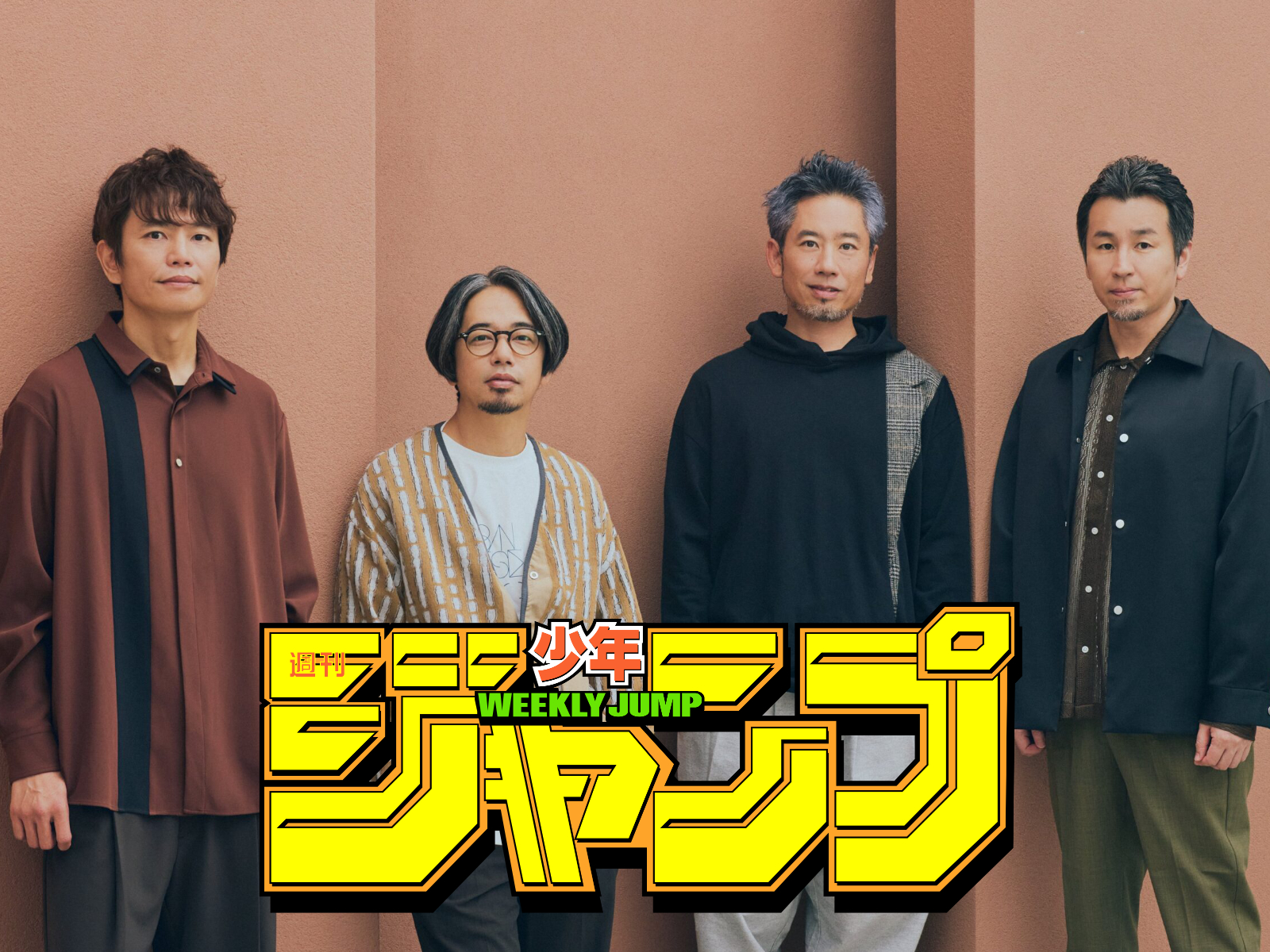
This interview was published in Weekly Shonen Jump #20 in 2026.
About yourselves
Let’s take a look back 30 years to the band’s formation.
Gotoh: I’m happy to have been making music for 30 years already. I’ll make sure to continue doing different kinds of music in the future as well.
Yamada: I feel like time has flown in an instant. We have many lives planned for this year, and so I’d like to play them one by one carefully.
Ijichi: We have a 30th anniversary tour, performances abroad, and a couple of fests planned, so I think I would like everyone to come to these concerts.
Kita: I would like those Jump readers who haven’t listened to Ajikan to give us a listen. And also, please come to our lives!
While composing songs, what should one pay attention to?
Gotoh: I think it’s more important whether the song is appealing or not. Unless I’m moved by it, it won’t reach the world. Recently, I’ve been crying from emotion while mixing (laughs).
Kita: I think it’s important to take a step back and look at the song objectively. However, sometimes, it’s difficult to look objectively because you are too emotional about it…
Ijichi: I guess it’s not about using the same rhythm. For example, if there are two melodies A, I aim to change the rhythm in both sections.
Yamada: It’s about creating an arrangement that brings the best out of the song. First, I receive many demos, so I try to get the feel of the music by listening to the recording myself.
What are your goals for the future?
Gotoh: I think it’s something about how I work. I need to change my way of working so that I can age without unneeded stress.
Kita: My goal is to be healthy and enjoy my activities. Because if I’m not healthy, I can’t do anything… (laughs)
Ijichi: As a culinary researcher, I want to bring the curry I create throughout the whole country!
Yamada: I think being healthy is the most important thing. When you’re not feeling well, you can’t enjoy yourself.
About the last opening theme for the 3rd season of the anime Dr. STONE: Science Future – Skins
What were your thoughts when you were creating this song?
Gotoh: I think the goal was to create a song that is both a Dr. STONE song and a song that reflects the real world. I created this song with both the world of Dr. STONE, where civilisation is being rebuilt from scratch, and the modern society in which we live in mind.
Where did the song title come from?
Gotoh: I chose this song title to represent ‘people’. Skin is also a symbol of society, and in Dr. STONE, when petrification is undone, the characters revert from stone back to skin. I used the word ‘skins’ to represent our existence.
What are the key points to notice?
Gotoh: I hope that when you read the lyrics, you’ll think, ‘What is this about?’ I put my hopes into the song that both the society in Dr. STONE and modern society can become a world where we can simply acknowledge each other’s existence. Musically speaking, I think the most notable thing is the addition of the goblet drum, an Arabic percussion instrument. The sound is interesting, and there’s meaning in including that instrument. While I do want people to know the background of the song, it’s also an upbeat song, so I hope they’ll just enjoy listening to it.
About the opening theme for the anime Naruto – Haruka Kanata
Please share any stories related to this song.
Gotoh: Back then, it wasn’t common for bands to perform theme songs for anime. I remember being so excited when I saw the anime’s opening. I was truly moved and got goosebumps. Even now, Haruka Kanata is incredibly popular wherever we go in the world, so we always make it the first song of our encore.
A message to Jump readers who aspire to be in a band in the future!
Gotoh: I think you should study hard. It’s important because it increases your chances of meeting friends and gives you more options!
Kita: It may seem simple, but it’s actually quite difficult. I think it’s important to keep the passion for wanting to be in a band.
Ijichi: I think it’s important to consider whether you’re creating music that you yourself can enjoy listening to for a long time.
Yamada: I think it’s about finding sounds you like in your everyday life. From there, you might feel like you want to play music or buy an instrument.